Why we still forget important dates (even with reminders)
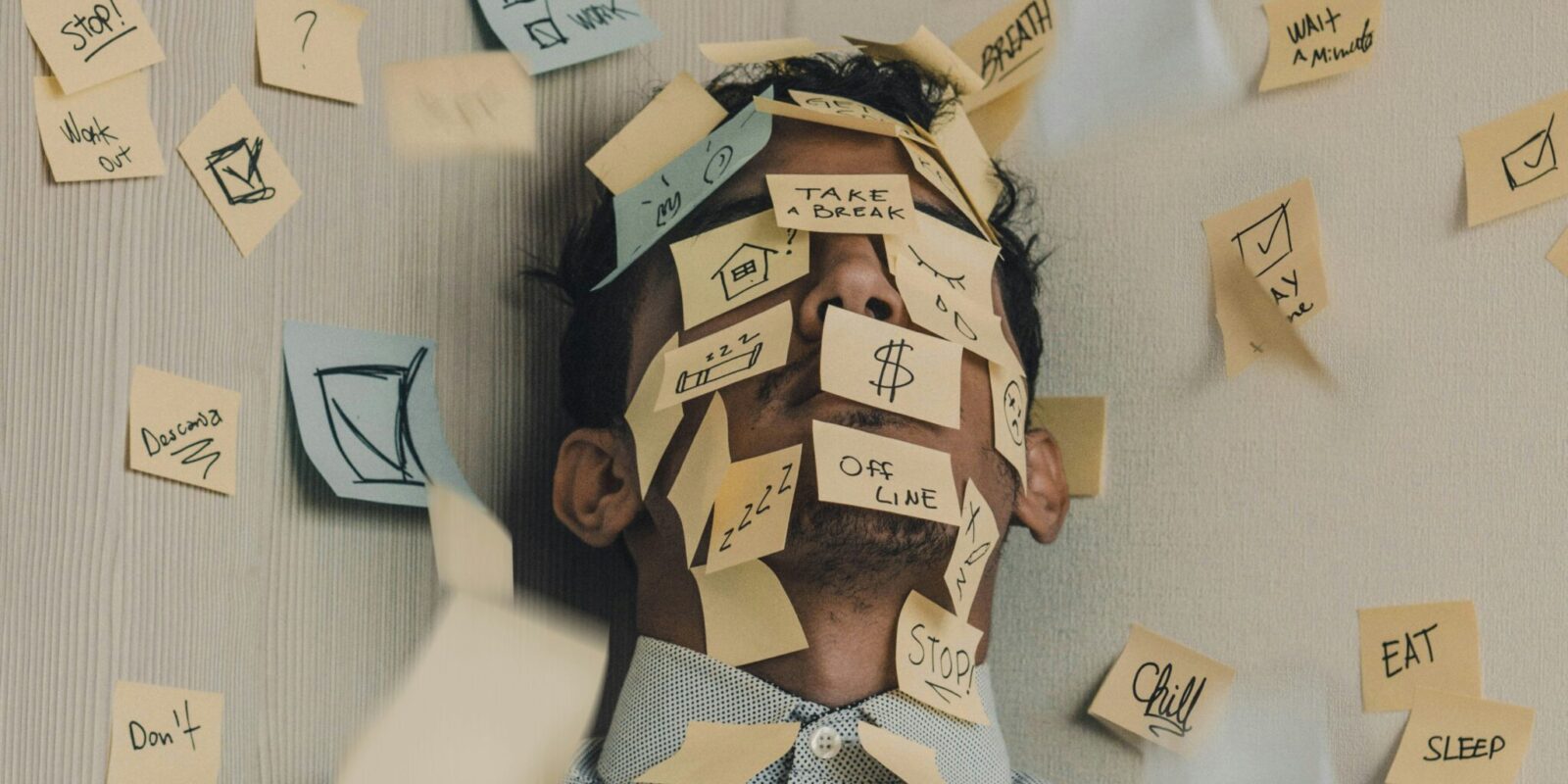
We’ve all had that moment. You knew something was coming up, you probably even set a reminder for it, and somehow it still slipped. A missed appointment, a late payment, a deadline that quietly passed. It’s frustrating, and more often than not, it leaves you wondering what went wrong.

Recently, we spoke to a range of people — busy professionals, parents, and individuals managing complex schedules — to understand how they keep track of important dates. One thing became clear very quickly: most people already have systems. Calendars, alarms, notes, even WhatsApp messages to themselves or others. As one person put it, “I use multiple things… phone, notes, messages… nothing really just works on its own.”
So the issue isn’t a lack of tools. In fact, if anything, people are using too many.
What’s really happening is more subtle. People aren’t forgetting in the way we tend to assume. They’re seeing reminders, acknowledging them, and then moving on. Life gets busy, something else takes priority, and the intention to act gets pushed to “later”. And as we all know, “later” doesn’t always happen.
One person described it simply:
“I got the reminder… I just didn’t act on it.”
That’s why reminders on their own don’t fully solve the problem. They create awareness, but they don’t always support follow-through. And when life becomes more complex — juggling work, family, responsibilities — even the most organised systems start to break down.
One parent told us, “Since having a baby, I just forget things more… even with reminders.” Another shared, “There’s just a lot going on — sometimes you see it and think you’ll come back to it.”
Things get missed not because people don’t care, but because there isn’t a reliable way to stay on top of everything without constant effort.
When something does get missed, the impact goes beyond inconvenience. People spoke about feeling stressed, embarrassed, or frustrated with themselves. In some cases, it also meant losing time or money. Over time, these small moments start to add up.
What’s interesting is that people didn’t ask for “more reminders”. They asked for something simpler and more practical: a way to see everything in one place, a clearer view of what’s coming up, and something that actually helps them follow through.
Something that fits around the way they already live and work, rather than expecting them to change their behaviour entirely.
That’s the gap we’re trying to address with DateWarden. Not by building another calendar, but by focusing on what happens after the reminder, helping people stay aware of what matters and making it harder for important things to quietly slip through the cracks.
Because in the end, remembering is only half the job. What really matters is what happens next.
Sign up online here.
This article is based on anonymised research conversations. No personal data has been shared.